
Inside Kick Start: the power of early intervention
Picture this.
Evie arrives at school. She started feeling anxious before she even reached the school gates. She doesn’t feel confident asking her teacher for help, and she struggles to connect with other pupils, leaving her feeling isolated. The classroom feels overwhelming.
She hasn’t had a proper breakfast either, so by mid-morning she’s hungry. It’s hard to concentrate when you’re distracted, uncomfortable, and unsure where you fit in. The same cycle continues each day.
You can see how this might escalate if nothing changes.
Kick Start, is one of One-Eighty's preventative mental health projects, supporting young people in primary schools like Evie, who may otherwise go under the radar.
We spoke to Project Lead, Chloe, and Danielle, who delivers Kick Start, about the project more and the importance of early intervention.
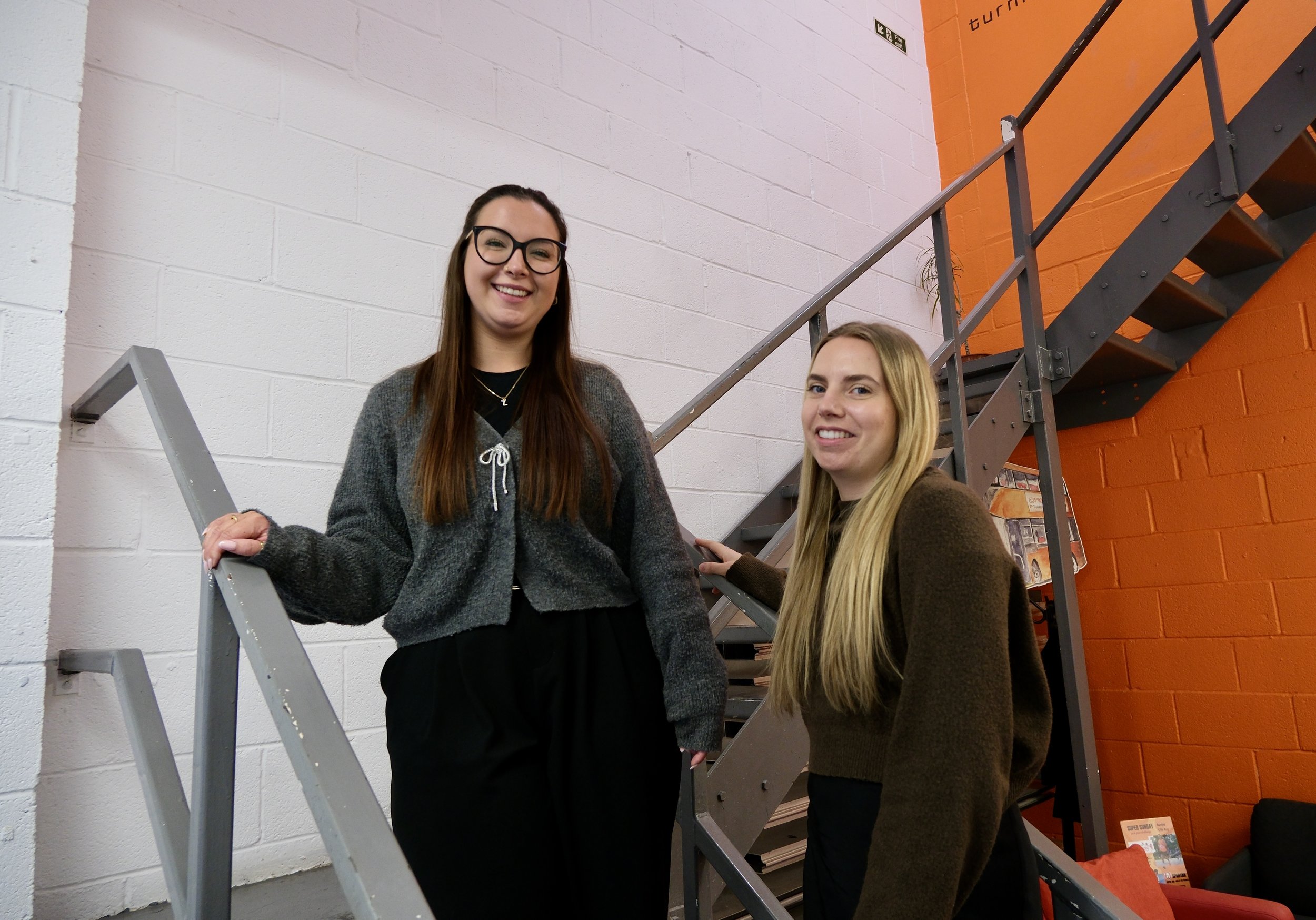
What does early intervention mean in practise? - Chloe, Project Lead
Early intervention means recognising when a young person is beginning to struggle and offering support before those challenges escalate or become entrenched.
Many of the young people we work with are not at crisis point or meeting the threshold for specialist services but the difficulties bubbling under the surface are already affecting their confidence and ability to engage in school. Early intervention gives them strategies to manage these challenges, trusted adults to talk to and support before things crisis point.
For someone who hasn’t heard of it before, what is Kick Start? - Danielle, Kick Start delivery
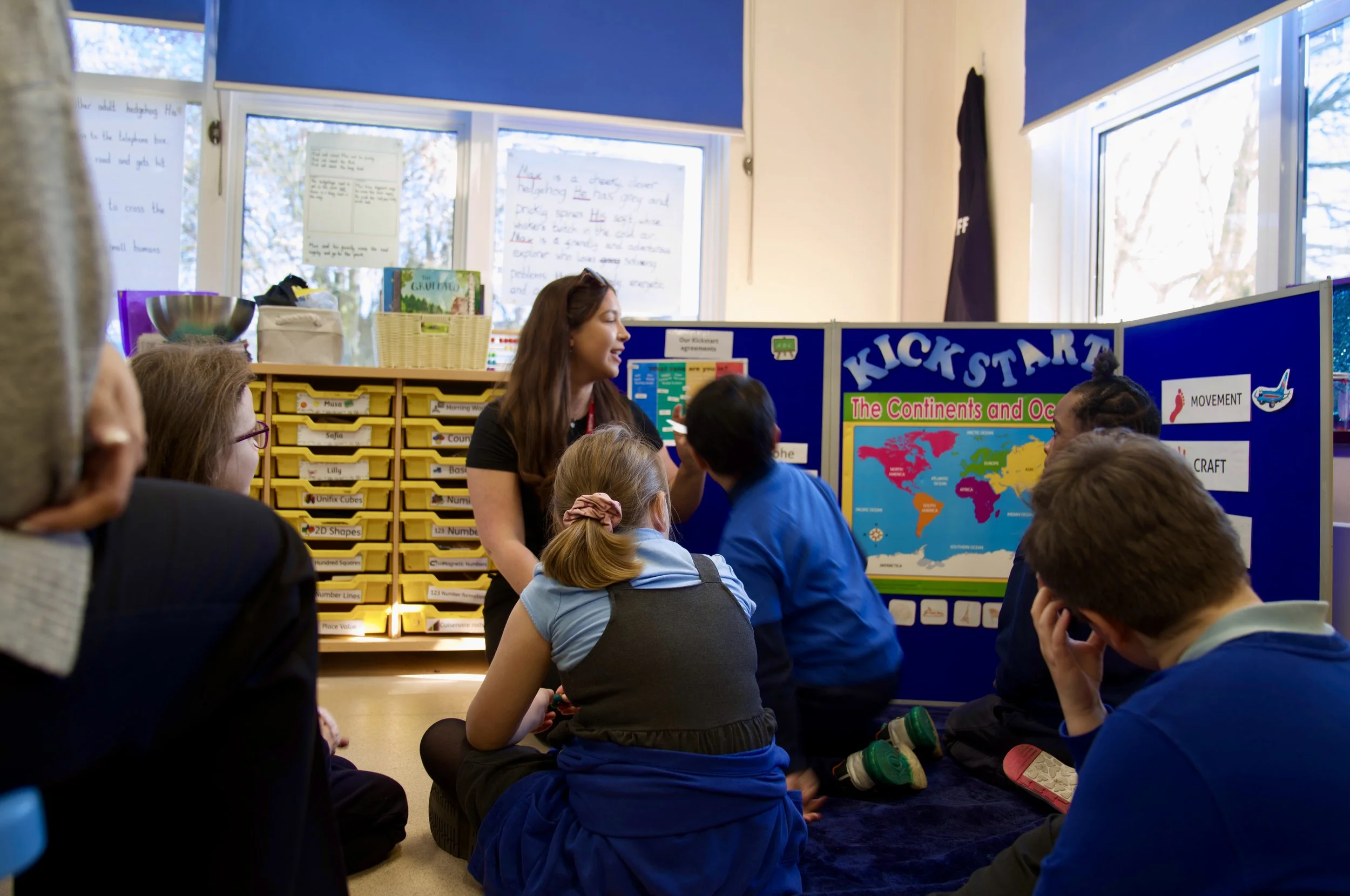
Kick Start runs over the course of seven weeks for small groups of primary school aged children. The project aims to support young people to manage key transitions throughout the day more effectively, develop their self-esteem, equip them with emotional regulation skills, and support them to build and maintain healthy friendships.
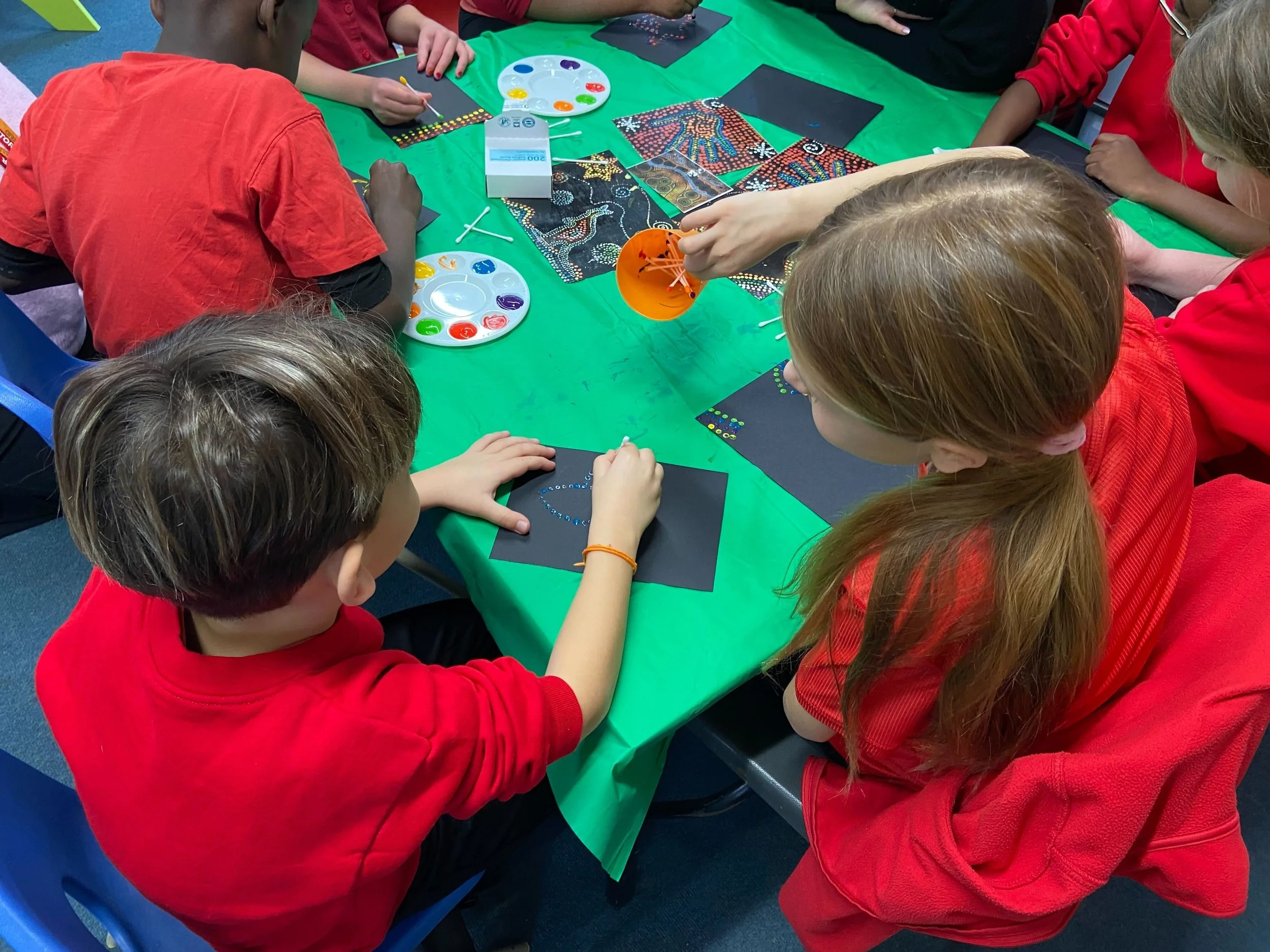
Each session includes a mixture of physical activity, creative tasks, mindfulness, and group discussion, alongside practical emotional regulation strategies that young people can use both in and outside the classroom. Sessions also include a healthy snack or breakfast to support cognition and readiness to learn.
What do you typically see in young people before they join Kick Start? - Danielle
Before joining Kick Start, the young people we aim to support typically struggle with self-confidence, which impacts their ability to ask for help in class and to engage with activities they feel they aren’t good at. These young people also tend to find managing emotions such as anger and sadness quite challenging, and they may struggle to maintain concentration in class. Other things we see that young people may need support with include coming to school in the morning and building and maintaining friendships.
What tends to change over the seven weeks? - Danielle
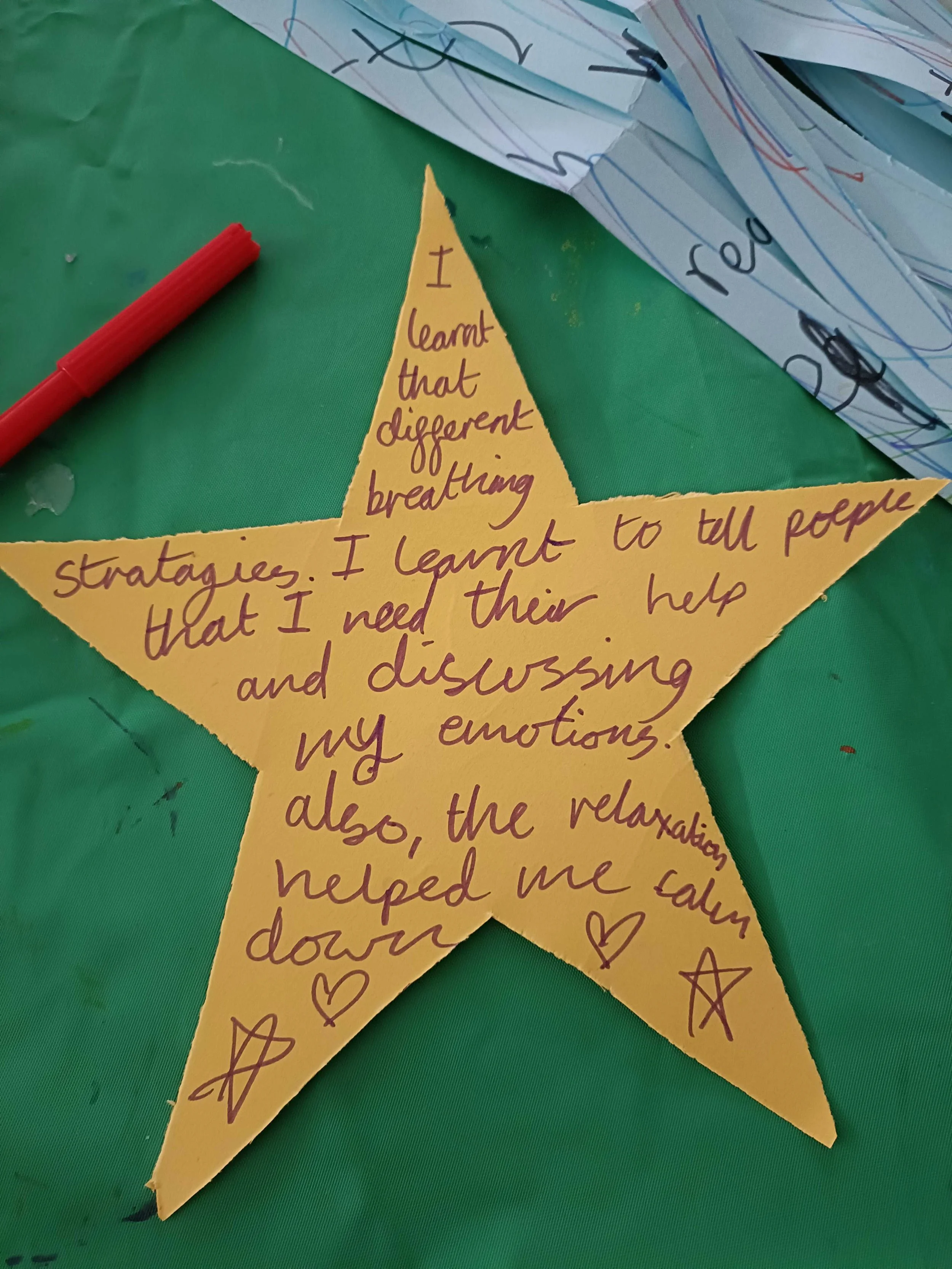
We typically see an increase in confidence as the young people involved have been able to develop friendships with a small group of peers, and have been encouraged to share their thoughts and feelings with this group.
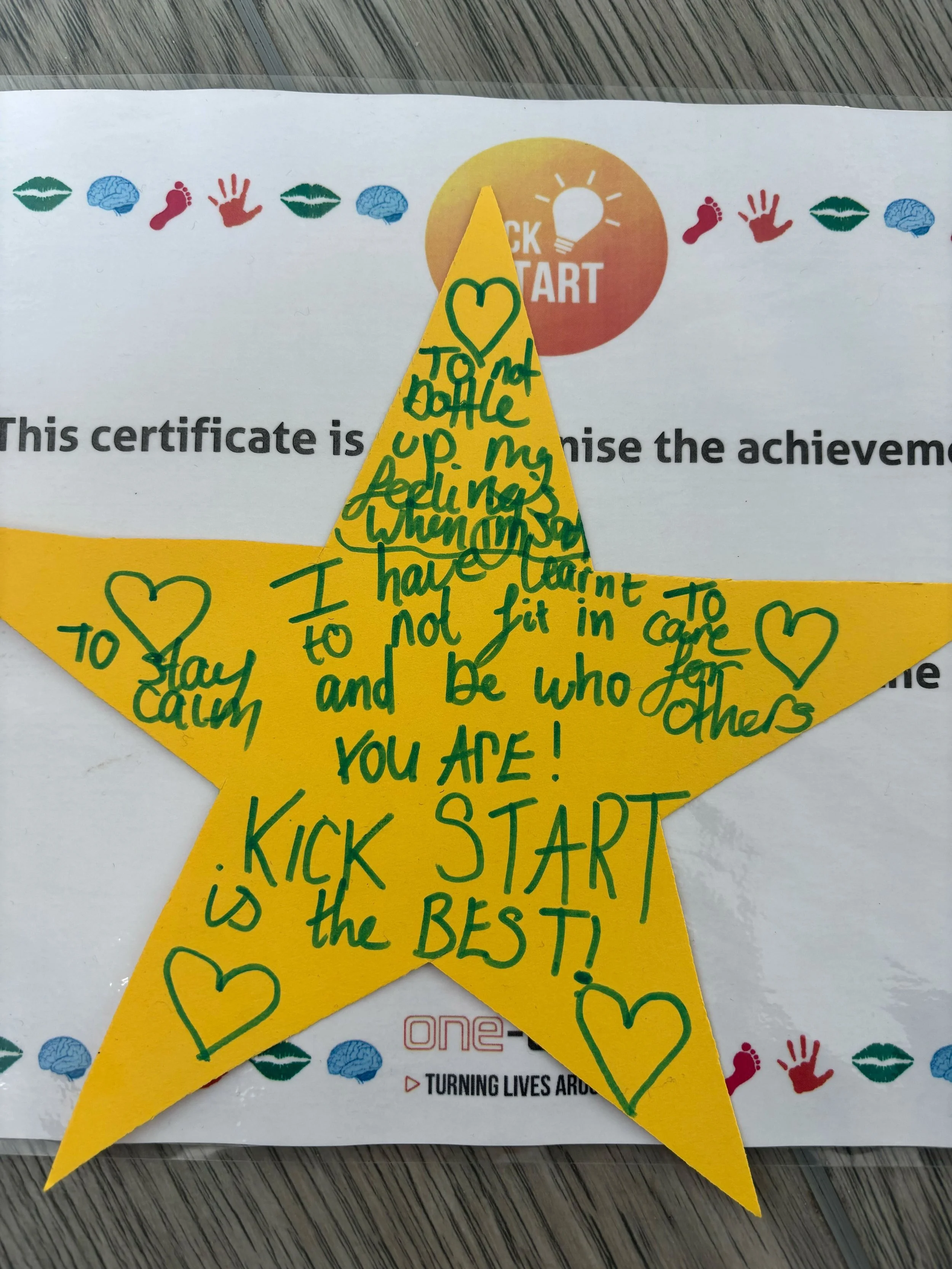
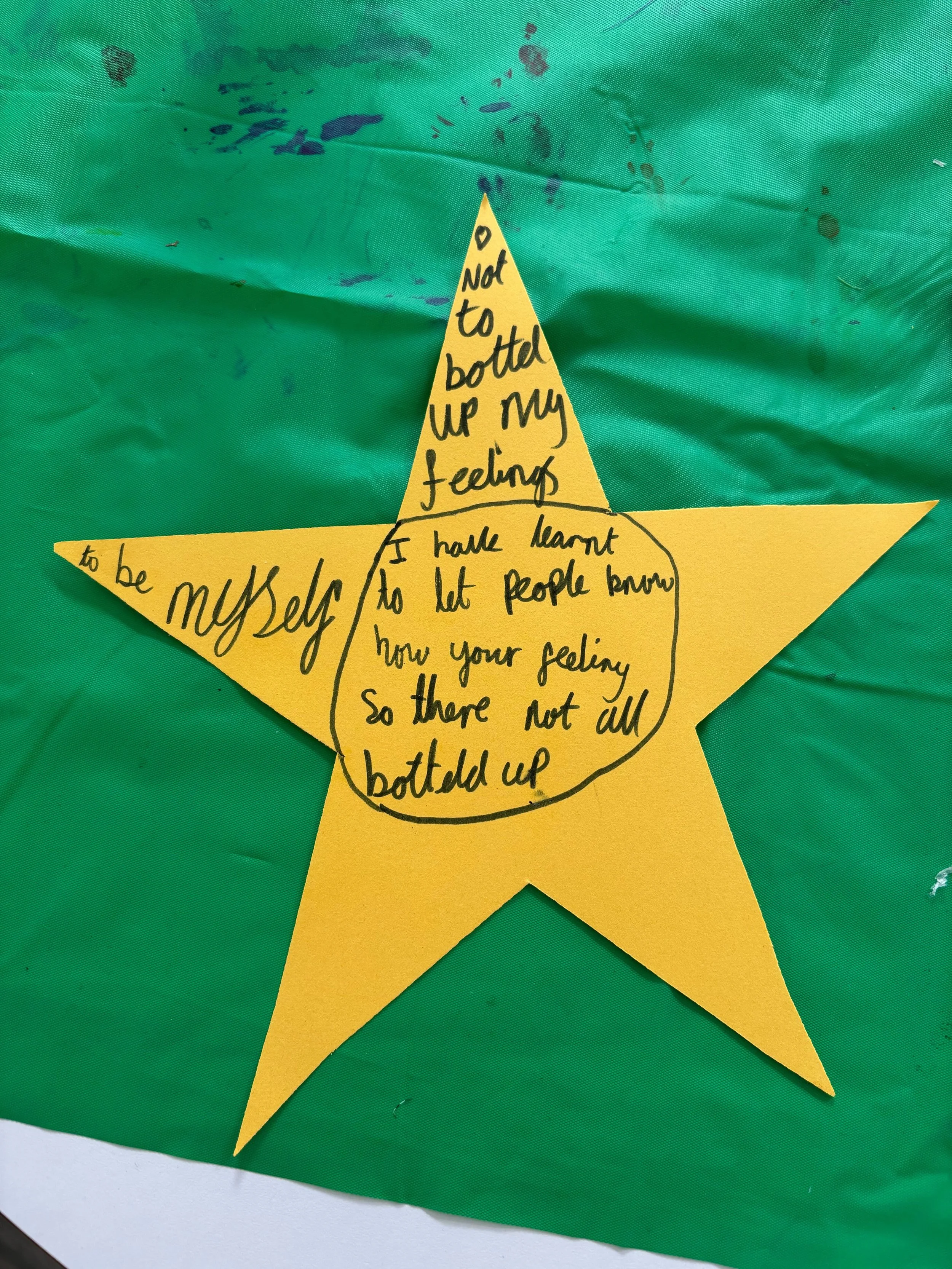
Throughout the project, importance is also placed on helping the young people feel comfortable in expressing their emotions to trusted adults to ensure they are not going without the support they need. Therefore, by the end of the project, young people typically feel much more comfortable in communicating their feelings to trusted adults and are able to draw upon the strategies that they learnt at Kick Start to support them in effectively managing these feelings.
What happens if support comes too late? - Chloe
Too often, it can mean that support for young people becomes much harder to access. It could result in a young person no longer feeling able to engage with support or education at all. They may become socially isolated and begin to struggle emotionally and mentally.
What changes do you see carry through into the classroom, or even the wider school environment? - Danielle
From feedback given by the schools we work with, teachers generally see an improvement in the young people’s ability to ask for help when needed and in having a go at learning activities that they would typically perceive as too challenging. We have also seen schools implement ‘communication corners’ which give young people a known space within school that they can go to when they want to talk to a trusted adult about something that they are worried about.
Across the two counties we work in, Oxfordshire and Buckinghamshire, more than 27,000 pupils were persistently absent from school according to Department for Education absence figures. Early intervention is a vital part of the solution.
Through Kick Start, One-Eighty aims to support the young people who may otherwise go under the radar - those in the “amber zone”, where challenges are already affecting confidence, wellbeing, and engagement in school, but support can still make a significant difference before difficulties escalate further.
We are incredibly grateful to the organisations whose funding and partnership have enabled, and continue to enable, the delivery of Kick Start across primary schools in Oxfordshire and Buckinghamshire: Focus Foundation, Young Futures Fund, and the Well Together Programme.